Bridges
Hand-picked in Uji, Kyoto. Stone-ground slowly. Imported without compromise, delivered to your door.
What the tea shop
charges. What you pay.
Same origin. Same certification. Same harvest. The only variable is how many hands it passed through to reach you. We fly to Uji and buy directly. That difference in hands is the entire price difference.
If it is not the best matcha you have ever had, tell us. We will make it right — no conditions, no friction.
- ✓20+ bowls of first-harvest ceremonial matcha
- ✓Tezumi hand-picked — no machines, no compromise
- ✓JAS & JONA Organic certified
- ✓Single cultivar · Samidori · Uji-City, Kyoto
- ✓Stone-ground · sealed airtight · no oxidation
- ✓Ships from the US · no customs delays
This spring's supply is limited. When this batch sells out, the next does not arrive until April 2027. There is no reorder until then.
Both from Uji.
Organic. First-harvest. Stone-ground.
Gokujō 極上
Uji-City, Kyoto · Ichibancha · Samidori Cultivar
Hand-picked by Tezumi artisans from the first spring flush — only the top two or three leaves, no machines at any stage. Thirty-plus days under Tana shading draws deep umami from the Samidori cultivar: no bitterness, no astringency, nothing added. One harvest each spring; when this batch is gone, the next does not arrive until April 2027.
 JAS (Japan Agricultural Standard) & JONA (Japan Organic & Natural Foods Association) · Certified Organic

Tsunezune 常々
Uji, Kyoto · Kagoshima · Ichibancha · Daily ceremonial
A first-harvest ceremonial blend from Uji-City, Kyoto and Kagoshima Prefecture — Samidori and Okumidori cultivars, Ichibancha picked, JAS Organic certified (Japan Agricultural Standard). The same direct-import chain, the same devotion to provenance, calibrated for daily practice. Under $2.50 a bowl. This is what direct access looks like.
JAS (Japan Agricultural Standard) & JONA (Japan Organic & Natural Foods Association) · Certified Organic
Most people have never tasted real matcha. This is it.
The best matcha in the world has been unavailable.
Until now.
Matcha reached Japan in the 12th century. Zen monks carried it over from China. Generations of tea masters refined it into Sadō, the Way of Tea. It was never meant to be rushed, diluted, or disguised behind sugar and marketing. Prepared correctly, from a leaf this good, there is no bitterness. No astringency. No reason to reach for a sweetener. Just clean depth and a calm that settles in before you finish the bowl.
Bridges exist because this quality of matcha is not available here. Not at your grocery store. Not at most specialty shops. Too much of what gets sold as matcha in America isn't matcha, and what is real rarely makes it here intact. We changed that: sourced directly from Uji farms, imported without compromise, and available exclusively through us. One side is centuries of practice. The other side is now.
You do not need to travel to Japan, learn Japanese, figure out which of the hundreds of "matcha" products on the American market are real. We did all of that. You order. It arrives.
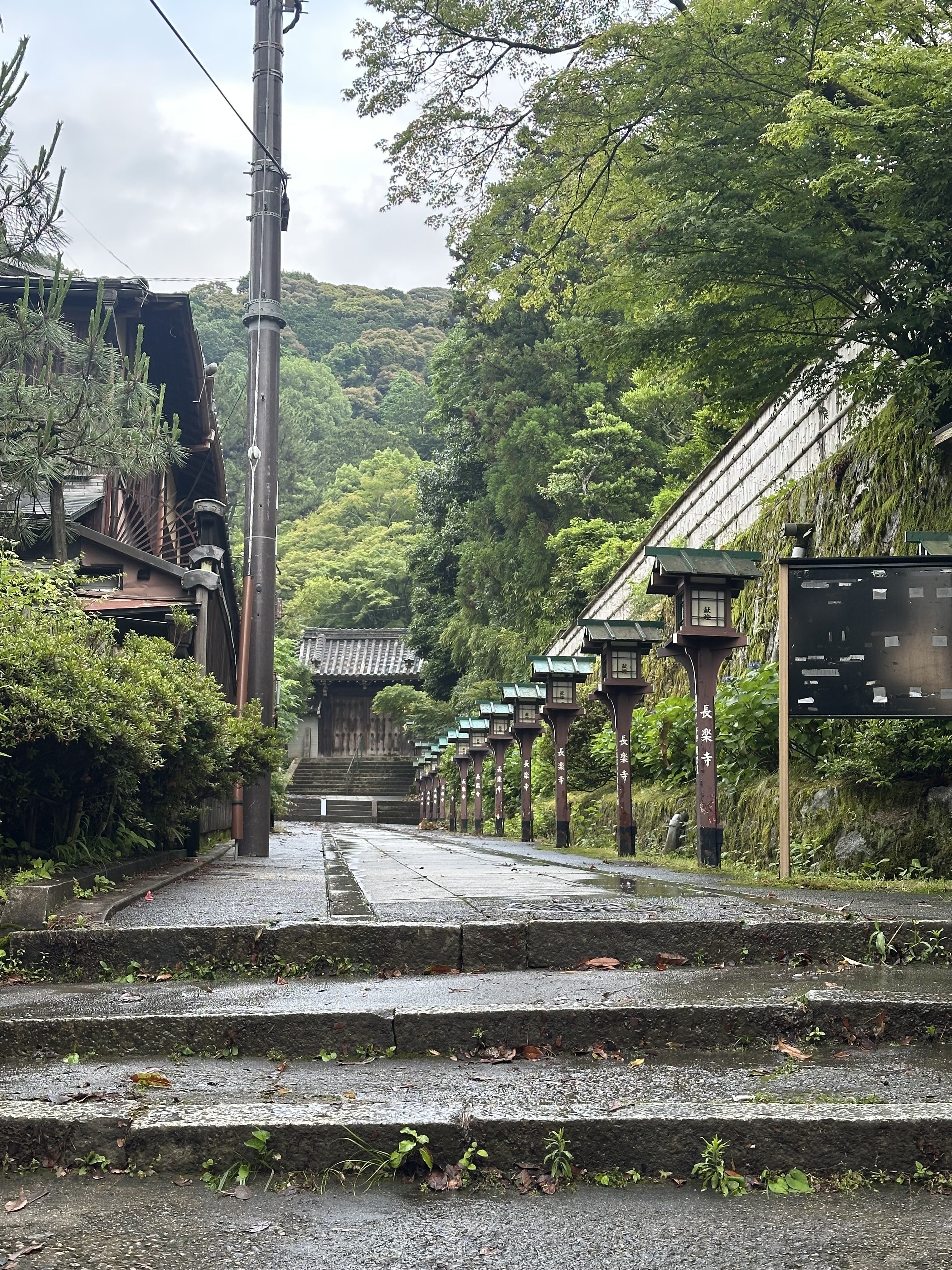
Grown under shade.
Stone-ground slowly.
Matcha isn't rushed. Weeks before harvest, farmers cover the plants and shade them from direct sunlight. The leaves respond by concentrating chlorophyll and amino acids, and that's where the deep umami sweetness and the vivid jade color come from. You can't fake that. It's the line between real matcha and everything else marketed as it.
After harvest, the leaves are steamed, dried, and de-stemmed into tencha. Granite stones turn slowly for hours, producing one kilo at a time. Done properly, this is an act of patience. Done cheaply, it isn't matcha at all.
Every tin we fill carries the region and the harvest it came from. Transparency is the shortest route to trust.


Most "Japanese matcha" isn't.
The tea industry runs on opacity. A lot of matcha labeled "Japanese," sometimes by suppliers operating inside Japan, is actually grown in China, shipped over, and repackaged. Without direct relationships with the farms, there's no way to know what's really in the tin. So we built those relationships ourselves.
Farm-direct
We import directly from growers in Uji. Every tin tells you the region and when it was harvested.
Verified, not claimed
Every batch is JAS (Japan Agricultural Standard) Organic certified. We share locations, cultivars, and the specific harvest region. That kind of transparency is rare in this industry. It shouldn't be.
In-person, annually
We travel to Japan each year to meet the farmers, review the harvest, and lock in allocations before the season begins. Fluency in Japanese keeps the relationships honest on both sides.
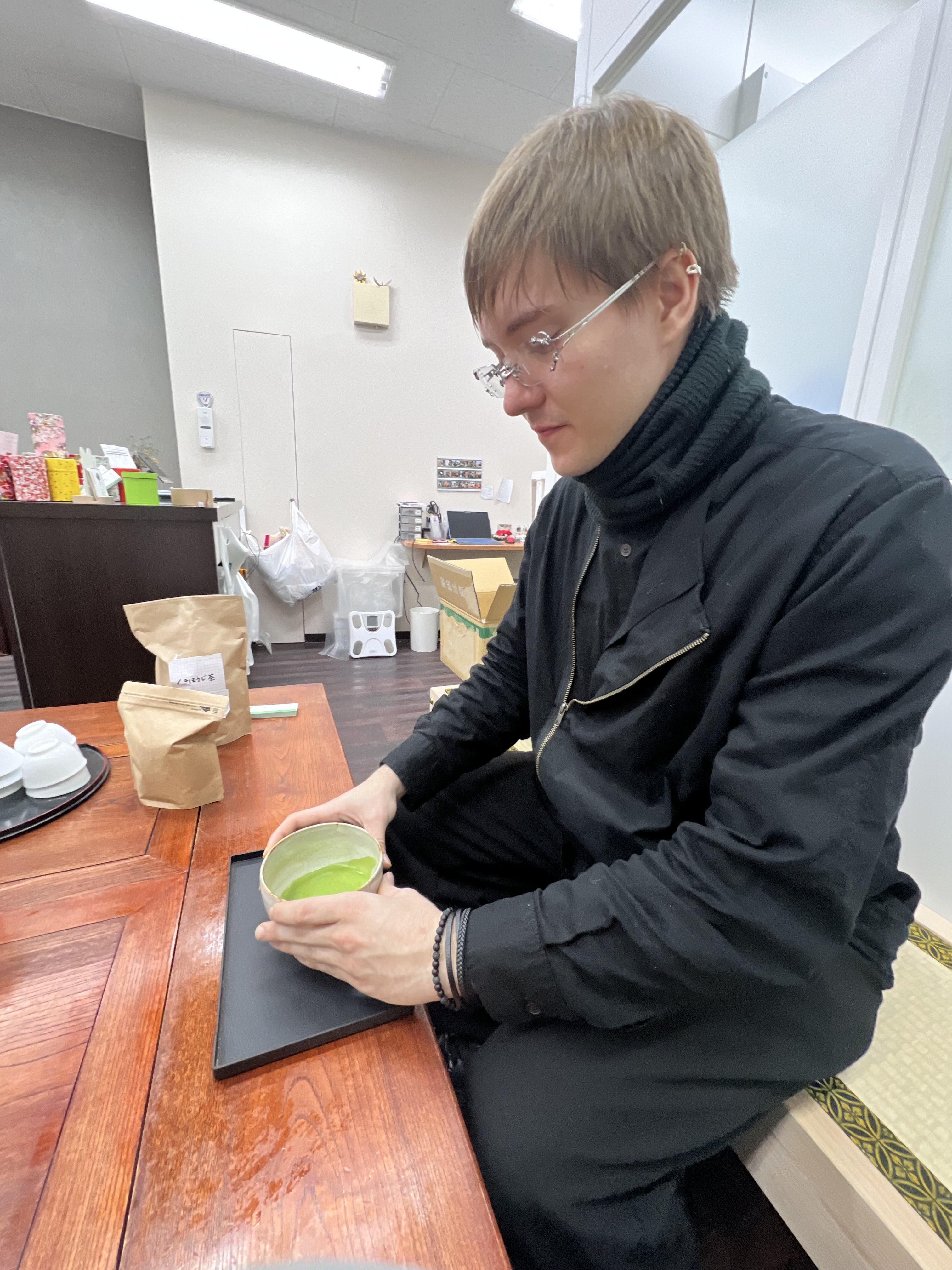
Bridges is built on one idea. The person drinking the matcha deserves to know exactly where it came from. That starts with us knowing. And it goes no further until we do.
The tools
of ceremony.
Traditional Japanese ceremony accessories, hand-selected, sourced with the same care as the matcha. Available soon.